
Betrayal. The very word carries a weight of profound disappointment, a sting of unexpected pain. It’s a violation of trust, a shattering of expectations, leaving us feeling vulnerable and adrift. The impact of betrayal is significant and undeniable. It bears a striking and often unsettling resemblance to surviving a traumatic car wreck. Both events, in their own unique ways, can leave lasting scars. They reshape our perspectives and irrevocably alter how we navigate moving ahead.
At its core, both betrayal and a car accident are acts of violation. In a car accident, the violation is physical. It involves the intrusion of another vehicle. There is also the sudden force of impact against our bodies and property. Our physical safety, something we often take for granted, is abruptly threatened or compromised.
Similarly, betrayal is a violation of our emotional and psychological safety. We entrust our vulnerabilities, our secrets, our loyalty to another person, believing in the sanctity of that bond. When that trust is broken, it feels like an invasion. It is a forceful entry into our inner world. It leaves us feeling exposed and defenseless.

It’s Not a Good Surprise
The element of surprise is another chilling parallel. While some car accidents might be preceded by a moment of recognition, many occur suddenly and without warning. One moment you’re driving along, feeling secure in your routine, and the next, chaos erupts. Betrayal often carries this same element of unexpectedness.
We rarely expect the moment when someone we trust will act in a way that deeply wounds us. The betrayal can come like a blindside collision. It leaves us reeling from the shock. We struggle to comprehend the sudden shift in our reality. The “whiplash” of betrayal is emotional, a jarring snap from security to profound hurt and confusion.
A state of shock and disorientation often characterizes the immediate aftermath of both events. After a car accident, adrenaline surges, and it can be difficult to process what has just happened. There’s a sense of unreality, a feeling of being outside your own body as you assess the damage.
Betrayal triggers a similar psychological response. The first reaction can be disbelief, a refusal to accept the painful truth. The mind races, trying to make sense of the senseless, often cycling through denial, anger, and confusion. Accident victims repeat the sequence of events in their minds. Similarly, those who have been betrayed replay conversations and interactions. They search for clues they missed. They desperately try to understand the “why.”
Bumps, Bruises, and The Fallout
Furthermore, both experiences inflict significant damage, albeit of different kinds. A car accident can result in physical injuries, ranging from minor scrapes and bruises to severe, life-altering trauma. There’s tangible damage to the vehicle. Additionally, there is a financial burden of repairs or replacement. Moreover, there is potential for long-term physical pain and disability. Betrayal, while leaving no visible wounds, inflicts deep emotional and psychological damage.
It can erode self-esteem, shatter trust in others, and lead to feelings of anxiety, depression, and isolation. The “repair costs” of betrayal are difficult to manage. Healing is an arduous journey. Rebuilding trust in oneself and others is essential. One must also process the emotional fallout. These wounds, though invisible, can be just as debilitating and long-lasting as physical injuries.

Logistics and Safety
The legal and logistical complexities that often follow a car accident also find parallels in the aftermath of significant betrayal. Dealing with insurance companies, police reports, and potential legal proceedings can be a stressful and protracted process. Similarly, navigating the consequences of betrayal can involve difficult conversations.
It includes setting new boundaries, which can feel like legalistic negotiations in a relationship. It could also involve severing ties with the betrayer. There might be shared assets to divide, reputations to manage, and a complex web of interconnected relationships to untangle.
Both scenarios need navigating systems and processes that can feel overwhelming and emotionally draining. The impact on our sense of safety and security is another profound similarity. A car accident can leave survivors with a lingering fear of driving or being in vehicles. The once-familiar act of transportation can become a source of anxiety. Betrayal similarly erodes our sense of trust in others and in the world around us.
The feeling of being safe in our relationships can be shattered. Relying on those closest to us can become difficult. This can lead to hypervigilance. It can cause difficulty forming new close relationships. A pervasive sense of unease can arise. We constantly expect the potential for future hurt. The world, once perceived as relatively safe and predictable, can now feel fraught with potential danger.

Surviving the Collision
The journey of healing and recovery is long and arduous. This challenging process is experienced by car accident survivors and those who have faced betrayal. Physical recovery from an accident can involve months or even years of rehabilitation, physical therapy, and ongoing pain management.
Emotional recovery from betrayal is equally challenging and can involve therapy, self-reflection, and a gradual rebuilding of self-worth and trust. There is no quick fix, and the scars, both visible and invisible, may never fully disappear. Both experiences can leave individuals with a heightened awareness of their vulnerability. They gain a deeper appreciation for the fragility of life and relationships.
Furthermore, both events can lead to a re-evaluation of priorities and a shift in perspective. After surviving a car accident, individuals focus on safety more intensely. They re-evaluate their driving habits. They gain a new appreciation for their physical health. Similarly, betrayal can force us to examine our values.
It can make us think about our expectations in relationships. Betrayal prompts us to consider the character of the people we choose to surround ourselves with. It can lead to a deeper understanding of our own needs and a greater commitment to self-protection and self-care. In a strange twist, both traumatic experiences can sometimes lead to unexpected personal growth and a renewed sense of purpose.
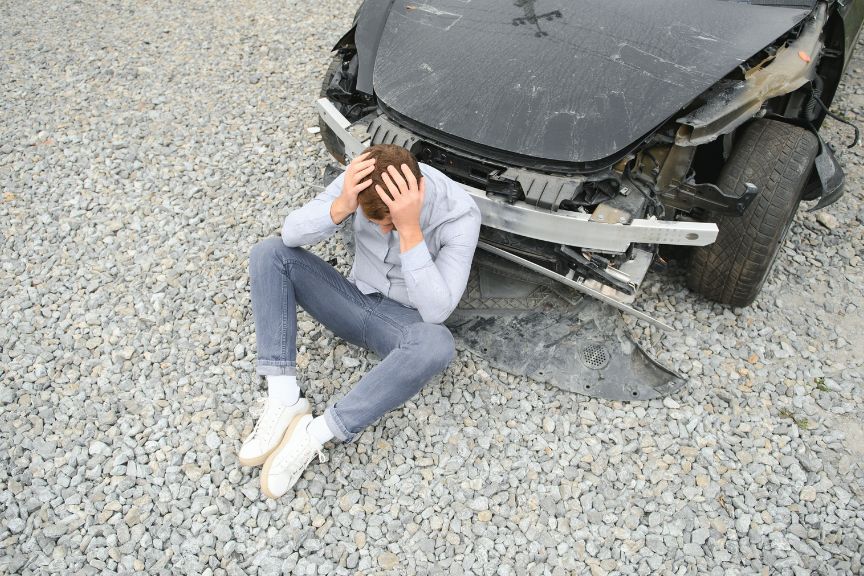
However, it’s important to acknowledge a key difference. A car accident is often an impersonal event. It is a consequence of circumstance or the actions of a stranger. On the other hand, betrayal is deeply personal. It involves a deliberate act by someone we know and, in many cases, care about.
This personal element can amplify the pain and make the healing process even more complex. The question of “why?” often haunts those who have been betrayed in a way that it might not for a car accident victim.
In conclusion, the tangible realities of a car accident and betrayal differ significantly. However, the emotional and psychological impact they have on individuals exhibits many parallels. These parallels are striking. Both can be sudden and unexpected. These violations leave us in shock and inflict significant damage.
They erode our sense of safety. A long and challenging journey of healing is often necessary. Just as the screech of tires echoes eternally in an accident survivor’s mind, so does the sting of betrayal. It acts as a constant reminder of a trust broken. It signifies a world irrevocably changed.
Understanding these parallels can offer a sense of validation to those who have experienced either trauma. People are acknowledging the profound and lasting impact these life-altering events can have on our physical health. They also affect our emotional well-being.
Ultimately, recovery in both scenarios takes time and support. It requires a courageous commitment to healing. Rebuilding a sense of safety and trust is crucial. This is especially important after such events. Our world has, in its own way, collided with our sense of normalcy.

Repairing and Resilience:
Betrayal is a seismic event in our emotional landscape. The ground we thought was solid cracks, trust shatters, and the aftershocks can ripple through every aspect of our lives. Healing from this deep wound is a journey. It is not a sprint. It requires patience, self-compassion, and a conscious effort to rebuild.
Acknowledge and Allow Your Feelings:
The immediate aftermath of betrayal is often a storm of emotions: anger, sadness, confusion, disbelief. Don’t suppress these feelings. Allow yourself to experience them fully, without judgment. Journaling can be a healthy way to release these first waves of pain. Talking to a trusted friend can also help. If needed, even screaming into a pillow can be beneficial. Understand that there’s no “right” way to feel, and your emotions are valid.
Focus on Self-Care and Self-Compassion:
Betrayal can leave you feeling depleted and vulnerable. Now more than ever, it’s crucial to focus on your physical and mental well-being. Focus on getting adequate sleep, nourishing your body with healthy food, and engaging in gentle exercise. These basic acts of self-care can offer a much-needed anchor during a turbulent time.
Be kind and gentle with yourself. Healing from betrayal is a painful process, and there will be good days and bad days. Avoid self-blame and recognize that you are not responsible for the actions of the person who betrayed you. Treat yourself with the same understanding and empathy you would offer a friend going through a similar experience.

Dwelling on the “what ifs” can be a draining effort. Trying to understand the betrayer’s motivations is often fruitless. Instead, focus on your reactions. Concentrate on your healing process. Consider carefully the choices you make moving ahead. Empower yourself by taking proactive steps towards your own well-being.
Seek Support, Don’t Isolate:
The instinct after betrayal can be to withdraw and isolate yourself. Resist this urge. Lean on your support system – trusted friends, family members, or a therapist. Sharing your experience with others who care about you can give comfort, validation, and a sense of not being alone. A therapist can offer a safe and neutral space to process your emotions and develop coping mechanisms.
Forgive Yourself:
Forgiveness doesn’t mean condoning the betrayal or reconciling with the betrayer. Rather, forgiveness can be about releasing the anger and resentment that bind you to the past. It’s about freeing yourself from the emotional burden of holding onto hurt. This is a process that takes time, and it’s okay if you never fully forgive the person who betrayed you.
Rebuild Trust Gradually:
Trust is the foundation of healthy relationships, and betrayal shatters it. Rebuilding trust will be a gradual process. This is true whether with the person who betrayed you, if you choose to, or with others. Start small, watch actions rather than just words, and allow trust to be earned over time. This will help you learn to trust your own judgment again.

Embrace Growth and Learning:
While betrayal is a painful experience, it can also be an opportunity for profound personal growth. Think about what you’ve learned about yourself, your values, and your relationships. This experience, though difficult, can ultimately lead to greater self-awareness and stronger future connections.
Healing from betrayal is a marathon, not a sprint. Be patient with yourself, celebrate small victories, and remember that you are resilient. You have the strength to navigate this pain and emerge stronger on the other side. The car wreck may have shaken your world. However, you survived it, and with time and effort, you can heal and learn to trust yourself again.
REFERENCES
- Freyd JJ. Betrayal trauma: Traumatic amnesia as an adaptive response to childhood abuse. Ethics & Behavior. 1994;4(4):307-329. https://doi.org/10.1207/s15327019eb0404_1Opens a new window
- Williams ML, Sommer KL. Betrayal trauma theory: A framework for understanding the impact of betrayal in close relationships. Journal of Trauma & Dissociation. 2016;17(2):137-152. https://doi.org/10.1080/15299732.2015.1100711Opens a new window
- Janoff-Bulman R. Shattered Assumptions: Towards a New Psychology of Trauma. New York, NY: The Free Press; 1992.
- Herman JL. Trauma and Recovery: The Aftermath of Violence—From Domestic Abuse to Political Terror. New York, NY: Basic Books; 1992.
- American Psychological Association. Coping with betrayal. American Psychological Association website. Published 2024. https://www.apa.org/topics/trauma/betrayalOpens a new window
- Tedeschi RG, Calhoun LG. Posttraumatic growth: Conceptual foundations and empirical evidence. Psychological Inquiry. 2004;15(1):1-18. https://doi.org/10.1207/s15327965pli1501_01Opens a new window