
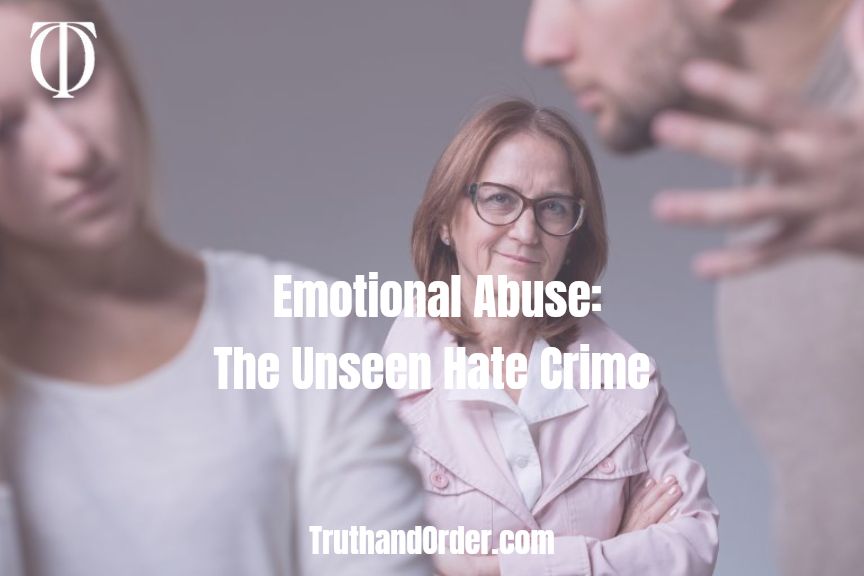
Emotional abuse is a pervasive, often invisible form of violence that leaves deep psychological scars. While physical abuse may leave visible marks, emotional abuse devastates lives from the inside out. Specifically, it systematically erodes a victim’s self-worth, autonomy, and trust in their own judgment. This article explores the realities of emotional abuse, the urgent need for better recognition and intervention, and the steps individuals and society can take to challenge this “unseen hate crime.”
Emotional abuse is a relentless assault on the human spirit. Crucially, the systemic neglect of this abuse by legal and social systems renders it an attack on a person’s dignity and ability to thrive. This lack of institutional recognition places an impossible burden of proof on victims who are already paralyzed by their trauma.

The Horrendous Damage: Psychological Collapse and Escalation
The damage inflicted by sustained emotional abuse is vast. It affects every aspect of a victim’s life, regardless of gender. Furthermore, emotional abuse is a significant precursor to physical violence, suicide, and homicide, creating a high-risk environment.
Damage to Adults: Eroding the Internal Compass
Emotional abuse impacts men and women alike, but the psychological effects are universally catastrophic:
- Eroded Self-Trust: Constant criticism, manipulation, and gaslighting fundamentally undermine a victim’s trust in self and judgment. Consequently, this self-doubt becomes so profoundly rooted that the victim struggles to proactively seek a supportive circle of people. They can no longer trust their own judgment about who is safe or what action to take, leading to profound isolation and paralysis.
- Severe Mental Health Outcomes: Chronic emotional abuse is strongly linked to anxiety, depression, and suicidal ideation. Moreover, studies show that psychological abuse is often a stronger predictor of Post-Traumatic Stress Disorder (PTSD) in women than physical abuse alone. About 70% of psychologically abused women display PTSD symptoms (Dutton et al., 2006).
- Paralysis in Life Areas: Victims become financially dependent due to isolation. They are physically exhausted from stress and emotionally unable to make decisions or take action.

Damage to Children
Children exposed to emotional abuse, whether directed at them or their caregivers, suffer profound developmental harm. Targeting a child’s identity leads to internalized shame, anxiety, depression, and self-harming behaviors. In addition, witnessing domestic violence increases the risk of interpersonal difficulties and PTSD. This makes it a critical precursor to child abuse and neglect fatalities (U.S. Advisory Board on Child Abuse and Neglect, 1995).
The Link to Physical Violence
Data unequivocally demonstrates that emotional and psychological abuse is a primary precursor and companion to physical violence:
- High Co-occurrence: Approximately 95% of men who physically abuse their intimate partners also psychologically abuse them. Nearly half of all women in the U.S. report experiencing psychological aggression by an intimate partner in their lifetime.
- Escalation Risk: Acts of emotional abuse, particularly coercive control (controlling behaviors, isolation, and threats), are consistently listed as risk factors for violence turning deadly.
Abusive Tactics: The Strategy of Coercive Control
Abusive behavior is not random; it is a systematic strategy rooted in the abuser’s desire for total domination.
- Coercive Control: This is the organizing principle behind chronic emotional abuse (Stark, 2007). It involves a pattern of behaviors (isolation, intimidation, monitoring, and manipulation) used to dominate victims and strip away their autonomy. Tactics include controlling finances, restricting access to friends and family, constant surveillance, and unpredictable rule-setting.
- Victim-Playing: Pathological abusers often play the victim in circumstances they themselves create. This tactic deflects responsibility and manipulates others into sympathizing with the abuser. As a result, it further isolates the true victim and muddies the reality of the abuse.
- Passive Aggression & Child Degradation: Abusers use subtle, destructive tactics like the silent treatment or “forgetting” commitments (passive aggression). Sometimes, they weaponize a child’s self-esteem as a proxy attack on the other parent by continually criticizing the child’s abilities.

The Abuser’s Supporters: Maintaining the Social Shield
A critical component of the abuser’s control is their ability to maintain a pristine public image. They achieve this by manipulating friends, family, and community members.
- The Illusion of Virtue: Narcissistic abusers are masters of charm. They feed their supporters a carefully crafted, victim-blaming narrative that portrays the true victim as “unstable.”
- Reinforcing Isolation: Significantly, this manipulation creates a powerful social shield for the abuser. When the victim tries to seek help, they are met with disbelief or hostility from this manipulated circle. Ultimately, this social rejection completes the abuser’s isolation strategy, reinforcing the victim’s paralysis and fear of speaking out.

Policy Failure and the Legal Paradox
The legal system’s historic focus on physical violence creates a severe paradox for victims of emotional abuse.
- The Policy Gap and Victim Paralysis: The system requires victims to overcome the profound paralysis caused by abuse to collect evidence and file reports. However, such actions demand high self-esteem, financial independence, and emotional clarity—resources the abuse has actively stolen. Victims also rightly fear that legal action will only escalate the abuser’s aggression. Leaving an abusive relationship is often the most dangerous time for the victim’s safety.
- The Role of Corrupt Counsel: In high-stakes family law cases, unethical counsel can weaponize the court system. They file repetitive, frivolous motions (vexatious litigation) to delay enforcement of orders and financially drain the victim. Thus, the abuser uses the victim’s lack of funds as a weapon.
Turning the Tide: The Movement to Codify Coercive Control
A growing global movement is working to address emotional abuse. It shifts the legal focus from isolated physical incidents to the pattern of non-physical aggression under the concept of Coercive Control.
1. Codifying Coercive Control
Coercive Control is defined as a pattern of acts and behaviors an abuser uses to take away a victim’s freedom, autonomy, and independence. Essentially, it is a legal framework that recognizes emotional abuse as a cumulative strategy of domination.
- International Leadership: The UK, Ireland, and parts of Australia have criminalized “Controlling or Coercive Behavior.” They build a criminal case based on the pattern of behavior that causes fear or distress.
- U.S. Progress: Many U.S. states are amending their Domestic Violence Prevention Acts (DVPA) to explicitly include coercive control in the definition of abuse. This allows judges to issue protective orders based on patterns of non-physical tactics like isolation.
2. Targeting Legal and Financial Paralysis
Policymakers are actively seeking to dismantle the tools abusers use to weaponize the legal system:
- Addressing Vexatious Litigation: Efforts are focused on creating rules in family court to penalize abusers who file repetitive, frivolous motions.
- Integrating Coercive Control into Custody: Including coercive control in the definition of abuse means judges must now consider patterns of non-physical abuse when making child custody determinations.

Creating a Comprehensive Safety and Support Structure
Victims need to shift from feeling isolated and reactive to establishing a proactive, well-defined safety system. This process starts with rebuilding self-trust and creating mechanisms for sustainable success.
Essential Self-Care: Reclaiming Agency and Trust
Self-care is a vital necessity for psychological survival and a means for victims to reclaim agency. A crucial first step in building self-trust is to stay present and perform easy tasks consistently to create a mechanism for success that validates your competence.
- Focus on the Present and Low-Cost Success: Simple breathing exercises and mindfulness techniques help ground the victim out of the hypervigilant state. Furthermore, by consistently completing easy, manageable tasks (like a 20-minute walk or a simple meal prep), the victim creates irrefutable evidence of their own reliability. This directly counters the abuser’s narrative of helplessness and builds self-trust.
- Move Your Body: Utilize low-cost exercise (like walks or stretching) to discharge the physical tension caused by the chronic cortisol flooding of fear and anxiety.
- Nourish Your Brain: Focus on healthy eating to support brain recovery from trauma and stabilize mood swings.
- Pursue Creative Projects: Creative outlets help process trauma and rebuild a sense of self-worth and competence that the abuser tried to destroy.
Establish a Professional Support Circle
This is a multi-disciplinary team that helps the victim regain control of their psychological, legal, and financial life:
- Trauma-Informed Therapist: Crucial for processing gaslighting and treating severe anxiety and depression.
- Family Law Attorney: Prepared to counter the abuser’s attempts to weaponize the legal system.
- Financial Advisor/Counselor: Helps regain financial literacy and build a protective financial safety net.
- Domestic Violence Advocate: Provides practical support like navigating shelters and offering court accompaniment.
The Power of Spiritual Support and Community

For many, establishing a Professional Support Circle is a difficult and cost-prohibitive first step to regaining agency. Faith and spirituality- free and plentiful-are essential resources for healing. They provide an anchor when all else feels chaotic and boarded up.
- The Act of Prayer/Meditation: Provides a powerful, private sanctuary to seek guidance and strength, fostering hope and reducing symptoms of depression.
- Building a ‘Circle of Protection’: Connecting with trusted, trauma-informed support groups or faith-based leaders creates a credible witness and accountability network. Ultimately, this outside support breaks the isolation enforced by the abuser. It provides a secure, non-contingent source of love that is essential for psychological recovery.
A Call to Action: Stop Enabling the Unseen Hate Crime
The battle against emotional abuse requires a cultural shift rooted in accountability and informed intervention.
To Lawmakers and Legal Professionals
- Prioritize Coercive Control Legislation: Push for the comprehensive codification of Coercive Control in both criminal and civil law.
- Fund Trauma-Informed Training: Mandate extensive training for judges and court officials. This is necessary to understand abusive tactics and the paralyzing effects of trauma on victims.
- Enforce Accountability: Implement strict penalties for non-compliance with custody and protective orders. This will close the financial and legal loopholes that allow abusers to continue control.
To the Abuser’s Supporters: Stop the Isolation
Your role is critical in dismantling the abuser’s social shield.
- Listen and Believe: When a person is crying out for help, do not ignore them. Years of abuse break down a person’s identity; their distress is the evidence.
- Question the Narrative: If the abuser’s story paints their ex-partner as “crazy” or “unstable,” recognize this as the classic language of gaslighting and manipulation and a major red flag.
- Refrain from Gossip and Betrayal: Sharing confidential information betrays the victim’s fundamental trust. Consequently, it proves to them that no one is safe to confide in, which drives them further into isolation. This condition directly fuels their anxiety and suicidal risk.
- Support the Escape Effort: State, “I hear you, and I believe you,” and offer practical help. Remember, silence is compliance.
To Survivors and Advocates: The Essential Voice
Your courage in documenting and sharing your experience is a public service that saves lives.
- Document and Speak Out: Meticulously document every instance of cruelty and control. This detailed record is the most powerful tool against the abuser’s charm and the corrupt lawyer’s tactics.
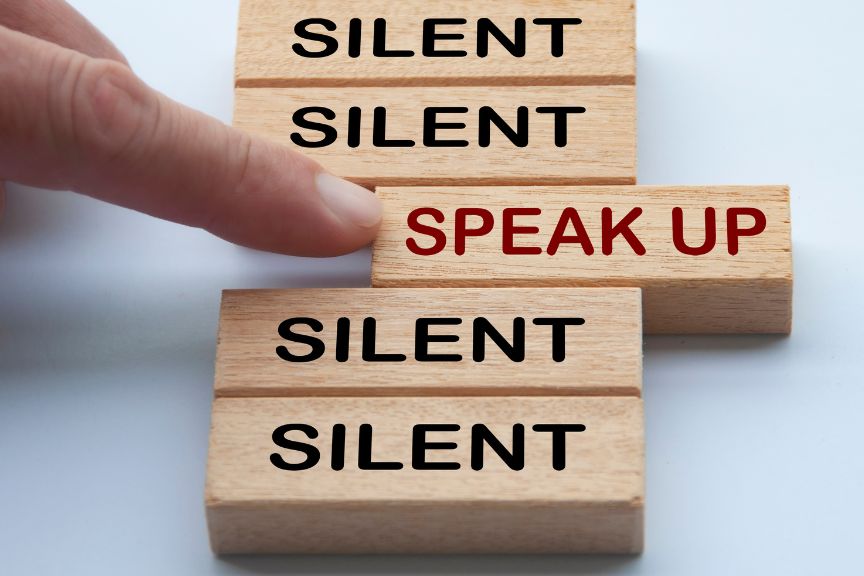
- Break the Silence: Every voice that breaks the silence is an act of defiance against the shame and self-blame abuse installs. Specifically, it normalizes the experience, showing others that paralyzing feelings are the direct, predictable result of abuse, not signs of personal failure. This is the most powerful way to counter the abuser’s lie that the victim is “crazy.”
The unseen hate crime of emotional abuse thrives on secrecy and social complicity. By recognizing the pattern of coercive control, holding both abusers and their enablers accountable, and extending unconditional support, we can collectively prevent psychological violence from escalating to lethal outcomes.
Conclusion
Emotional abuse is a societal crisis that demands recognition, compassion, and concerted action. By understanding its dynamics, supporting survivors, and advocating for legal and cultural change, we can work toward a future where every person’s dignity and safety are protected.
Resources and References
Help is available 24/7:
Academic and Organizational Sources:
- Dutton, M. A., Goodman, L. A., & Bennett, L. (2006). Court-involved battered women’s responses to violence: The role of psychological, physical, and sexual abuse. Violence and Victims, 21(6), 681-695.
- National Coalition Against Domestic Violence
- Stark, E. (2007). Coercive Control: How Men Entrap Women in Personal Life. Oxford University Press.
- U.S. Advisory Board on Child Abuse and Neglect. (1995). A Nation’s Shame: Fatal Child Abuse and Neglect in the United States. Washington, DC: U.S. Government Printing Office.
- WomensLaw.org
Recommended Books for Victims of Emotional Abuse:
- Bancroft, Lundy. Why Does He Do That? Inside the Minds of Angry and Controlling Men.
- Engel, Beverly. The Emotionally Abused Woman: Overcoming Destructive Patterns and Reclaiming Yourself.
- Evans, Patricia. The Verbally Abusive Relationship: How to Recognize It and How to Respond.
- MacKenzie, Jackson. Psychopath Free: Recovering from Emotionally Abusive Relationships with Narcissists, Sociopaths, and Other Toxic People.
- Arabi, Shahida. Power: Surviving and Thriving After Narcissistic Abuse.
Articles & Online Resources:
- IInvisible Scars: The Effects of Emotional Abuse – Psychology Today
- National Domestic Violence Hotline: [Understanding Emotional Abuse]
- Out of the FOG: [Information and support for victims of people with personality disorders]
- https://www.expressvpn.com/blog/tech-safety-for-survivors-of-domestic-violence/